Hill station holidays
Mahabaleshwar, Panchgani, Lonavala and Matheran sit in the Sahyadri range, where temperatures stay noticeably cooler than Mumbai or Pune. Viewpoints, lakes and short walks fill the day without a punishing schedule.
Dedicated city pages available now:
Delhi Jaipur, Rajasthan Kochi, Kerala Chennai, Tamil Nadu Bengaluru, Karnataka Kolkata, West Bengal Bhubaneswar, Odisha Lucknow, Uttar Pradesh Indore, Madhya Pradesh Ahmedabad, Gujarat Amritsar, Punjab Guwahati, Assam GoaMore states and cities are being added — enquire about any destination.
International itineraries are being added — enquire for current options:
Resort day visits, family picnics and recreational day experiences. City pages are being added — enquire for current options.
Enquire about day outingsMarine water sports, river activities and beach experiences — with age and safety guidance. Destination pages are being added.
Enquire about water sports
Maharashtra · Western India
Mumbai's seafront, the cool Sahyadri hill stations, the Konkan coastline and the heritage cities of the Deccan — all inside one state. We put the route, the stays and the driving together, so your family only has to show up and travel together.
Start here
Maharashtra works well for families because it does not ask you to choose just one kind of holiday. In a single week you can move from a seafront city to a misty hill station, then down to a quiet Konkan beach — without a flight in between.
A Maharashtra family holiday can be a long weekend in Lonavala, a school-holiday circuit through Mumbai, Pune and Mahabaleshwar, a devotional trip to Shirdi with grandparents, or a slow beach break in Tarkarli. Distances are manageable by road, hill stations stay cool when the plains are hot, and there is a comfortable hotel or resort to suit most budgets.
Our Maharashtra family tour packages are planned around the people travelling: how old the children are, whether grandparents are joining, how much walking everyone is happy with, and how many days you can take away from work and school. You get a route that flows in one direction instead of doubling back, sightseeing that fits between meals and rest, and a clear inclusions list before anything is confirmed.
Every itinerary on this page is a suggested plan. Tell us your dates and we will rework it around your family — including arrival city, number of travellers and hotel preference.
Why this state works
Maharashtra is not a single-destination state. Each region gives a different holiday, which is why it suits families who want variety without long flights or unpacking every night.
Mahabaleshwar, Panchgani, Lonavala and Matheran sit in the Sahyadri range, where temperatures stay noticeably cooler than Mumbai or Pune. Viewpoints, lakes and short walks fill the day without a punishing schedule.
Alibaug is a short ferry ride or drive from Mumbai; Tarkarli, further south, has calm water and a much slower pace. Both work for families who want sand, shallow water and easy evenings.
Sanjay Gandhi National Park inside Mumbai, the Borivali and Kanheri forest trails, and the Western Ghats around Lonavala and Mahabaleshwar give children a taste of forest and wildlife without a separate safari trip.
Maratha forts such as Pratapgad and Sinhagad, the cave complexes at Ellora and Ajanta, and Mumbai's Victorian Gothic landmarks make history concrete for older children and teenagers.
Shirdi, Trimbakeshwar near Nashik and the old temples of Pune are visited by families travelling with grandparents. Dress codes and queue timings are worth checking before you go.
Malvani seafood on the coast, Maharashtrian thalis, Pune's bakery culture and Mumbai's street food are part of the trip. Family restaurants and familiar chains are easy to find in every city on this page.
Where to go
Twelve places that families ask for most often, with what each one is actually good at — and where it asks a little more of you. Suggested stays are a starting point, not a rule.
 2–3 nights
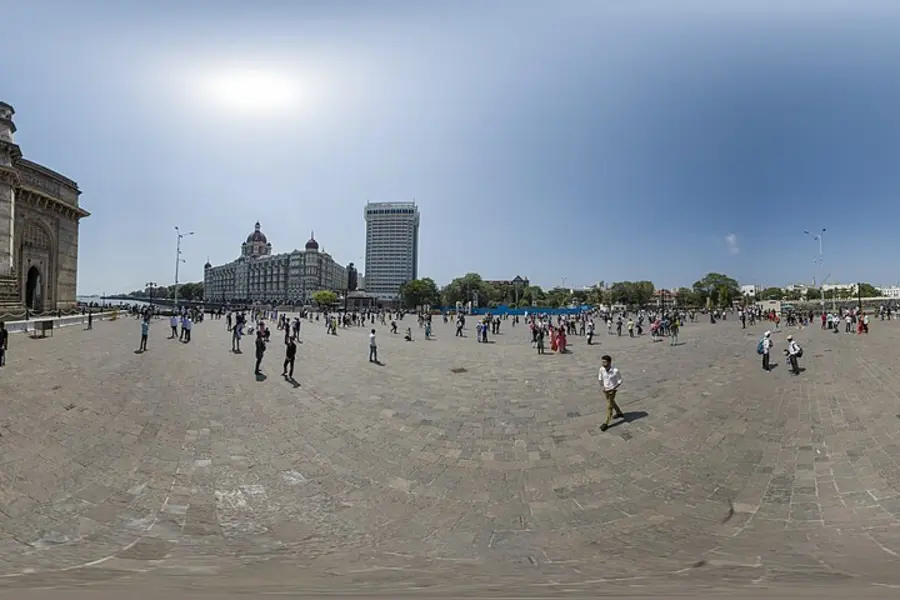
Mumbai is where most Maharashtra family holidays begin, and it rewards a slow first day. The Gateway of India and the Colaba seafront work well in the morning, a harbour ferry to Elephanta Caves fills the middle of the day, and Marine Drive is best in the evening when the lights come on. Traffic is the real constraint here, so plan two or three sights a day rather than six.
Plan around: Elephanta ferries take about an hour each way and the caves are closed on Mondays.
 2–3 nights
Lonavala is the classic Mumbai weekend hill station, roughly 85–90 km away on the expressway and about 65 km from Pune. Bhushi Dam, the lakes, and the Karla and Bhaja cave complexes are the usual family stops, with easy viewpoints in between. It is a gentle first hill-station experience for young children because the drives are short and the town has plenty of places to eat.
Plan around: Weekends and monsoon holidays are very crowded, and the dam steps get slippery in the rain.
 1–2 nights
Khandala sits barely three kilometres from Lonavala but feels quieter, with valley views opening up along the ghat road. Duke's Nose and the Rajmachi viewpoint involve an hour or more of walking on uneven ground, which suits families with teenagers more than toddlers. Everyone else can use it as a peaceful base for a night or two, with Lonavala's sights a short drive away.
Plan around: Viewpoint trails are rocky and exposed — carry water, wear shoes with grip and skip them in heavy rain.
 3–4 nights
Mahabaleshwar is the hill station most families remember: cool air, strawberry farms, Venna Lake and a string of viewpoints over the Krishna valley. Arthur's Seat, Wilson Point and Elphinstone Point are short drives apart, and Pratapgad Fort makes a worthwhile half-day. The market area is busy, so a resort slightly outside town usually gives a calmer stay with children.
Plan around: The ghat road from Pune (about 120 km) is winding — keep motion-sickness supplies handy and break the drive at Wai.
 1–2 nights
Panchgani is 19 km from Mahabaleshwar and often done as a day trip, but it deserves a night of its own. Table Land, the flat laterite plateau above the town, is the main draw for children — pony rides, open space and views across the Dhom valley. Parsi Point and Sydney Point add two easy stops, and the old boarding-school lanes give the town a quiet, unhurried feel.
Plan around: Table Land charges an entry fee and gets dusty and hot by midday — mornings are more comfortable.
 1–2 nights
Pune is a working city rather than a resort, but it holds some of Maharashtra's most family-friendly heritage. Shaniwar Wada, the Aga Khan Palace and the Dagadusheth Halwai Ganpati temple are close enough to combine in a day, and the Raja Dinkar Kelkar Museum keeps children interested with everyday objects from the past. Sinhagad Fort, about 30 km out, makes a good half-day drive.
Plan around: Traffic is heavy from morning to evening, and most museums close one day a week — confirm timings before you plan the day.
 2–3 nights
Nashik combines temple town and vineyard country, which makes it an unusual family stop. Ramkund and the Godavari ghats, Kalaram Temple and Panchvati are the traditional sights, while the vineyards around the city offer garden lunches and tastings for adults. Trimbakeshwar, one of the twelve Jyotirlingas, is about 28 km away and worth a half-day of its own.
Plan around: Temples enforce dress codes and restrict phones and photography; vineyard visits suit adults, with juice and garden options for children.
 2–3 nights
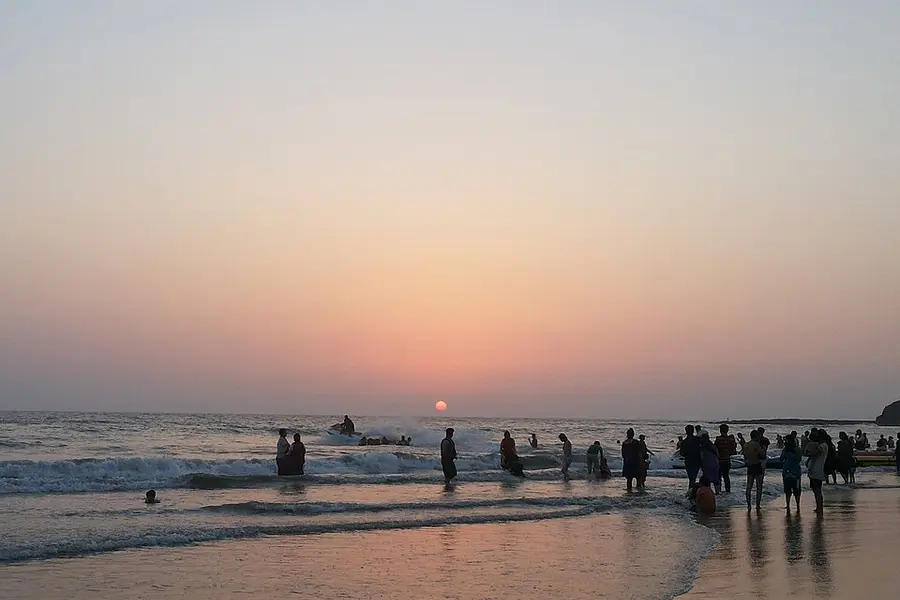
Alibaug is Mumbai's closest proper beach break — a 55 to 75 minute ferry to Mandwa followed by a short drive, or roughly 95 km by road. The main beach is broad and calm at low tide, and Kolaba Fort can be walked to when the water recedes. Varsoli and Nagaon are quieter alternatives, and Murud-Janjira Fort makes a memorable day trip by ferry.
Plan around: Ferry timings depend on tide and weather; the road route is the safer choice during the monsoon.
 2 nights
Matheran is a hill station where no private vehicles are allowed beyond Dasturi Naka, which makes it unusually peaceful and unusually dependent on walking. The toy train from Neral covers 21 km in about two and a half hours and is a highlight for children. Panorama Point, Echo Point, Louisa Point and Charlotte Lake are reached on foot, by pony or by hand-pulled rickshaw.
Plan around: Paths are steep and uneven, with no cars at the top — a hard day for anyone with mobility issues and difficult with a stroller.
 2–3 nights
The city formerly known as Aurangabad is the base for Maharashtra's UNESCO-listed cave sites. Bibi Ka Maqbara, built in the late seventeenth century, is an easy first stop, while Ellora is about 30 km away and Ajanta roughly 100 km. Daulatabad Fort and Panchakki fill a second day. This is a history-heavy stop that works best with children old enough to enjoy the caves.
Plan around: Ellora and Ajanta involve long walks and steps, and Ajanta needs a shuttle ride — allow a full day for each and carry water.
 1–2 nights
Shirdi is Maharashtra's most visited pilgrimage town, and a common request from families travelling with grandparents. The Sai Baba Samadhi Mandir, Dwarkamai, Chavadi and Gurusthan form the core of the visit, with aartis through the day. It is about 240 km from Mumbai and roughly 90 km from Nashik, so it fits neatly into a Nashik or Pune circuit without a long detour.
Plan around: Queues are longest on Thursdays and festival days; photography inside the temple is not allowed and modest dress is expected.
 3–4 nights
Tarkarli, in the Sindhudurg district, is the Konkan coast at its clearest — calm water, a long beach and the Karli river meeting the sea at Devbagh. Sindhudurg Fort, built in the seventeenth century, is reached by a short boat ride from Malvan, and the local Malvani seafood is a reason to stay an extra night. It is a long drive from Mumbai, so treat it as a destination rather than a stop.
Plan around: Around 500 km from Mumbai; water sports run mainly October to May and depend on sea conditions.
Sample itineraries
Eight route ideas, from a two-night Mumbai break to a full eight-day circuit. These are suggested plans built from real driving distances — not fixed departure products — so every one of them can be shortened, extended or reordered.
3 Days / 2 Nights
Mumbai arrival → city sightseeing → Elephanta → departure
3 Days / 2 Nights
Mumbai or Pune → Lonavala → Khandala → return
4 Days / 3 Nights
Pune → Mahabaleshwar → Pratapgad → return
5 Days / 4 Nights
Pune → Mahabaleshwar → Panchgani → Pune
6 Days / 5 Nights
Mumbai → Lonavala → Khandala → Pune → Mumbai
4 Days / 3 Nights
Pune → Mahabaleshwar → Panchgani → Pune
6 Days / 5 Nights
Mumbai → Matheran → Lonavala → Mahabaleshwar
 8 Days / 7 Nights
Mumbai → Lonavala → Pune → Mahabaleshwar → Mumbai
A route that works
Seven days from Mumbai, moving in one direction: city, then hills, then the high Ghats, then back. It is deliberately light — two or three stops a day, with the longest drive on the second-to-last morning rather than at the end.
Land in Mumbai and check in, then keep the first afternoon short: the Gateway of India and the Colaba seafront, followed by Marine Drive in the evening. If your flight lands late, move the sightseeing to the next morning and use this day to rest.
Morning at Elephanta Caves by ferry, or the CSMT and Fort heritage walk if the sea is rough. After an early lunch, drive to Lonavala — roughly 85–90 km on the Mumbai–Pune Expressway, about two to two and a half hours. Evening free at the hotel.
Bhushi Dam and Lonavala Lake in the morning, then Tiger's Leap and the Karla Caves. In the afternoon, drive the short distance to Khandala for the Rajmachi viewpoint — skip the longer Duke's Nose walk if you have young children or seniors along.
Drive to Pune, about 65 km and an hour and a half. Shaniwar Wada in the morning, the Aga Khan Palace after lunch, and the Dagadusheth Halwai Ganpati temple in the evening if the queues are manageable. Families with children often add the Kelkar Museum instead of a second palace.
The longest transfer of the trip — about 120 km, three and a half to four hours, with a break at Wai. Check in by early afternoon, then take it slow: Venna Lake in the evening or simply the market and a walk. Keep the viewpoints for the next morning when the light is clearer.
Start early for Wilson Point or Arthur's Seat before the tour buses arrive, then drive to Panchgani — 19 km, around 40 minutes — for Table Land and Parsi Point. Pratapgad Fort is a good alternative for families with older children who want a short fort walk.
Drive back to Pune (about 120 km, three and a half to four hours) for an afternoon flight or train, or to Mumbai (roughly 250 km, six to seven hours) if you are flying out from there. On a seven-day plan we usually recommend Pune for the return — it keeps the last day comfortable.
Where you stay
Where a family stays decides how good a holiday feels. A hotel in the middle of Mahabaleshwar's market means noise at night; a resort ten minutes out means quiet but a drive for dinner. In Mumbai, a property near the airport saves an hour of traffic on arrival day. We match the stay to the shape of your itinerary rather than to a star rating alone.
Accommodation is booked according to the category you choose, and the hotel name, room type and meal plan are shared with you before confirmation. We do not publish hotel partnerships we cannot verify — what you see in your quotation is what you get.
Clean, simple rooms close to the main sights. Good for families who plan to be out all day and want the budget for sightseeing instead.
Three-star comfort with breakfast, a restaurant on site and family rooms or twin rooms that can be joined.
Larger rooms, better views and more facilities in the cities — a practical choice for a first or last night with an early flight.
Lawns, a pool, indoor games and space for children to run. Usually on the edge of town, so a vehicle is needed for meals out.
Valley-facing properties in Mahabaleshwar, Panchgani and Lonavala. Ask about heating in winter and road access in heavy rain.
Rooms that sleep four, or two rooms with a connecting door. Worth confirming in writing — "family room" means different things in different hotels.
Points we confirm for every booking: room configuration and extra-bed policy, breakfast and meal plan, distance from the main sightseeing stops, step-free access where needed, parking for your vehicle, and family amenities such as a pool, garden or play area.
When to travel
Maharashtra is a large state, and the weather in Mumbai, the hills and the Konkan coast does not move in step. As a general guide:
October to February
The most comfortable window for most families. Days are pleasant across the state, and the hill stations get cold at night.
March to May
The plains get hot, but Mahabaleshwar, Panchgani and Lonavala stay noticeably cooler — though temperatures vary and afternoons can still be warm.
June to September
The Western Ghats turn green and the waterfalls run, but heavy rain can disrupt road travel, viewpoints and outdoor plans.
Built around your family
The itineraries above are starting points. Most families change something — a later start, one less fort, a hotel with a pool, an extra night in Mahabaleshwar, or a stop at Shirdi because grandparents are travelling. That is exactly what a customized package is for.
Tell us who is coming and what matters to you, and we will build the route around it. You get a day-by-day plan, hotel options in your budget, and a clear inclusions list — then we adjust it until it fits.
What we plan around:
What you pay for
A typical quotation covers the items on the left. Anything on the right is either excluded or quoted separately — and the final list always depends on the package you choose.
Entry fees at Ellora, Ajanta, Elephanta and other protected monuments are set by the Archaeological Survey of India and differ for Indian and foreign visitors — we tell you the current amount before you travel rather than folding an estimate into the package price.
Who these trips suit
Maharashtra is flexible enough for most family shapes — the itinerary changes more than the destination does.
Short drives, a hotel with a pool or garden, and one main activity a day. Lonavala and Panchgani are the easiest introductions.
Shirdi, Nashik and Mahabaleshwar work well, with comfortable hotels and minimal walking built into the plan.
Larger vehicles, ground-floor or lift-accessible rooms and meal stops planned in advance keep everyone comfortable.
City sightseeing, temples and gentle viewpoints suit best. Matheran's paths and the Khandala treks are harder going.
Summer and Diwali breaks fill quickly in the hill stations — book early and expect higher weekend rates.
Two nights in Lonavala or Alibaug is enough to reset, and both are reachable from Mumbai in half a day.
A seven- or eight-day circuit covers the city, the hills and the heritage sites without rushing any of them.
If this is your first trip to the state, the Mumbai–Lonavala–Pune–Mahabaleshwar loop gives the widest introduction.
About us
FamilyPackages.co.in is part of Ananta Group Pvt. Ltd., a Delhi-based travel business that has been operating since 2009. We plan family holidays rather than selling fixed seats on fixed dates, which means the itinerary can be shaped around your family before anything is booked.
We do not publish awards, review scores or traveller counts we cannot verify. What you can check is the company, the office address and the phone number below.
Keep exploring
Planning a second trip, or comparing Maharashtra with another state? These are the family destinations we cover in detail.
Good to know
Most packages include hotel accommodation, breakfast or the meal plan agreed, airport or railway station transfers, a private vehicle for the itinerary, sightseeing as listed, driver allowance and applicable taxes. Airfare, train tickets, monument entry tickets, adventure activities and personal expenses are usually extra. The exact list is confirmed in your quotation before you pay.
Three to four days are enough for one region — Mumbai, or Lonavala with Khandala, or Mahabaleshwar with Panchgani. For a route that combines Mumbai, Lonavala, Pune and Mahabaleshwar, plan six to seven days. Add two more days if you want Shirdi, Nashik or the Konkan coast.
Mumbai, Lonavala, Khandala, Mahabaleshwar and Panchgani are the most requested by families, followed by Pune, Alibaug, Matheran, Nashik, Shirdi, Chhatrapati Sambhajinagar and Tarkarli. The right choice depends on whether you want a city, hills, a beach or a pilgrimage — most families combine two or three.
Yes. Every itinerary on this page can be reworked around your arrival city, travel dates, number of days, hotel preference and the ages of the people travelling. Share what you want and we will suggest a route, then adjust it until it fits.
Yes — hotel accommodation is part of every package we quote, in the category you choose: budget, standard, premium or resort. Room type, meal plan and the hotel name are shared before confirmation, so there are no surprises on arrival.
Yes. Mahabaleshwar is one of our most requested Maharashtra destinations, usually combined with Panchgani or Pune. A four-day package from Pune covers Venna Lake, the main viewpoints, Pratapgad and Panchgani, and it can also be planned as an extension from Mumbai.
We quote after understanding your dates, family size and hotel preference, because a two-night Lonavala break and a seven-day multi-city circuit are very different trips. Peak season, room count, children's ages and transport type all change the total. Send your requirements and you will get an itemised quote rather than a headline price.
Yes. Choosing standard hotels instead of premium ones, travelling on weekdays, keeping transfers short and picking one region instead of four all bring the cost down without spoiling the trip. Tell us your budget range and we will build the itinerary around it.
Generally yes, with a few adjustments. Hill stations involve winding roads and some walking, so shorter driving days, hotels with lift access and step-free rooms help. Matheran and the trekking viewpoints around Khandala are harder for anyone with limited mobility. Mention ages and any mobility needs when you enquire.
Yes, and it is a common route. Mumbai to Lonavala is about 85–90 km, Lonavala to Pune about 65 km, and Pune to Mahabaleshwar about 120 km, so a six- to seven-day loop works well. We usually suggest finishing in Pune or Mumbai, whichever gives you the easier flight home.
Next step
Tell us your travel dates, how many of you are coming and what you would like the trip to feel like — a relaxed hill break, a full city-and-hills circuit, or a pilgrimage with the family. We will suggest a route, hotel options and a total cost, and adjust it until it works for everyone travelling.
Planning help is free and there is no enquiry form on this page — call or message the team directly. No payment is taken on this website.